
Get to Know Bees and Wasps Like Never Before
We explore the busy world of wasps and bees in a clear and simple way. Learn how they live, build, and help nature grow. From hives to nests, we share easy facts, tips, and guides to help you understand and appreciate these amazing insects every day.
Our Blog About Us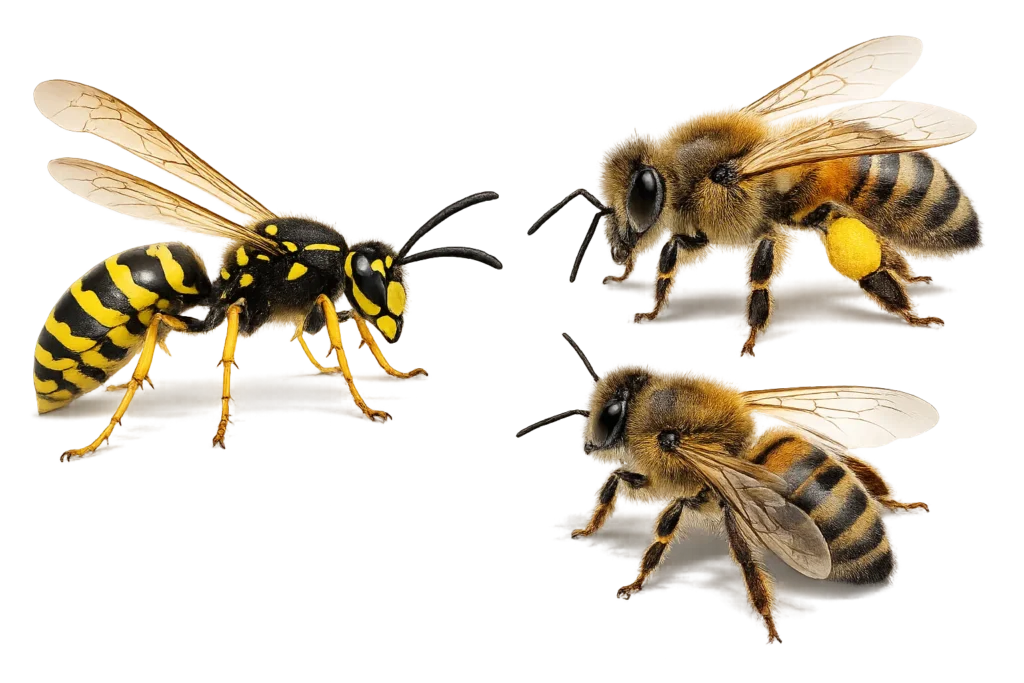
Wasp and Bees Identification Guide
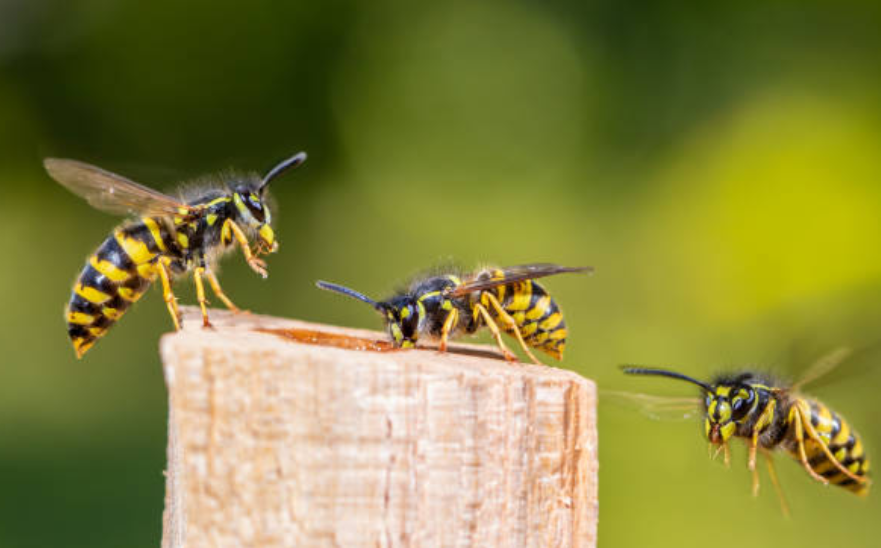
- Bees are round and hairy, while wasps are slim and smooth.
- Bees look fuzzy, wasps look shiny.
- Bees are mostly calm, wasps can be more aggressive.
- Bees eat pollen and nectar, wasps often eat insects or food scraps.
- Bees have thicker bodies, wasps have narrow waists.
- Bees are usually brown or yellow, wasps are bright yellow and black.
- Bees help pollinate plants, wasps mostly hunt pests.
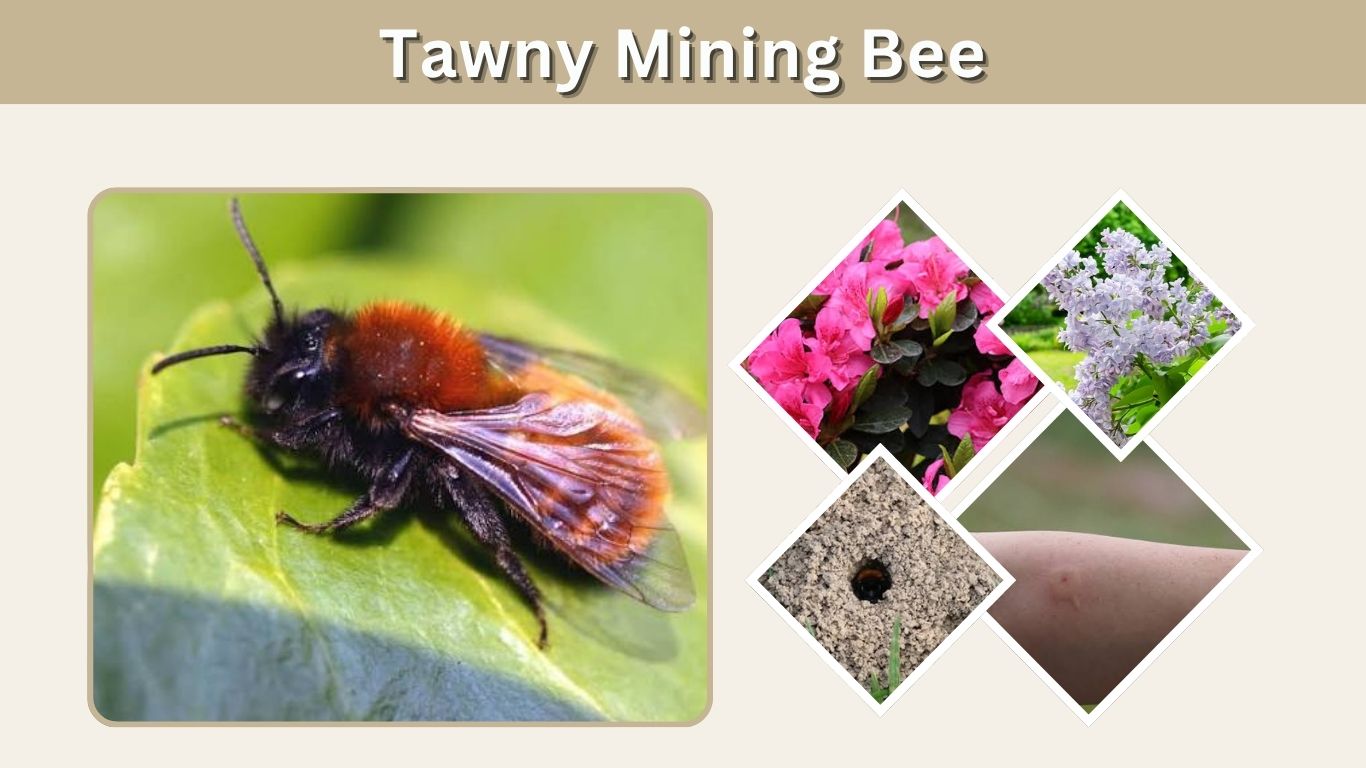
Tawny Mining Bee: Identification, Nest, Sting, Life Cycle
August 24, 2026
The tawny mining bee (Andrena fulva) is a distinctive spring bee recognized by the female’s bright orange-red coat and dark head and legs. These solitary
Read more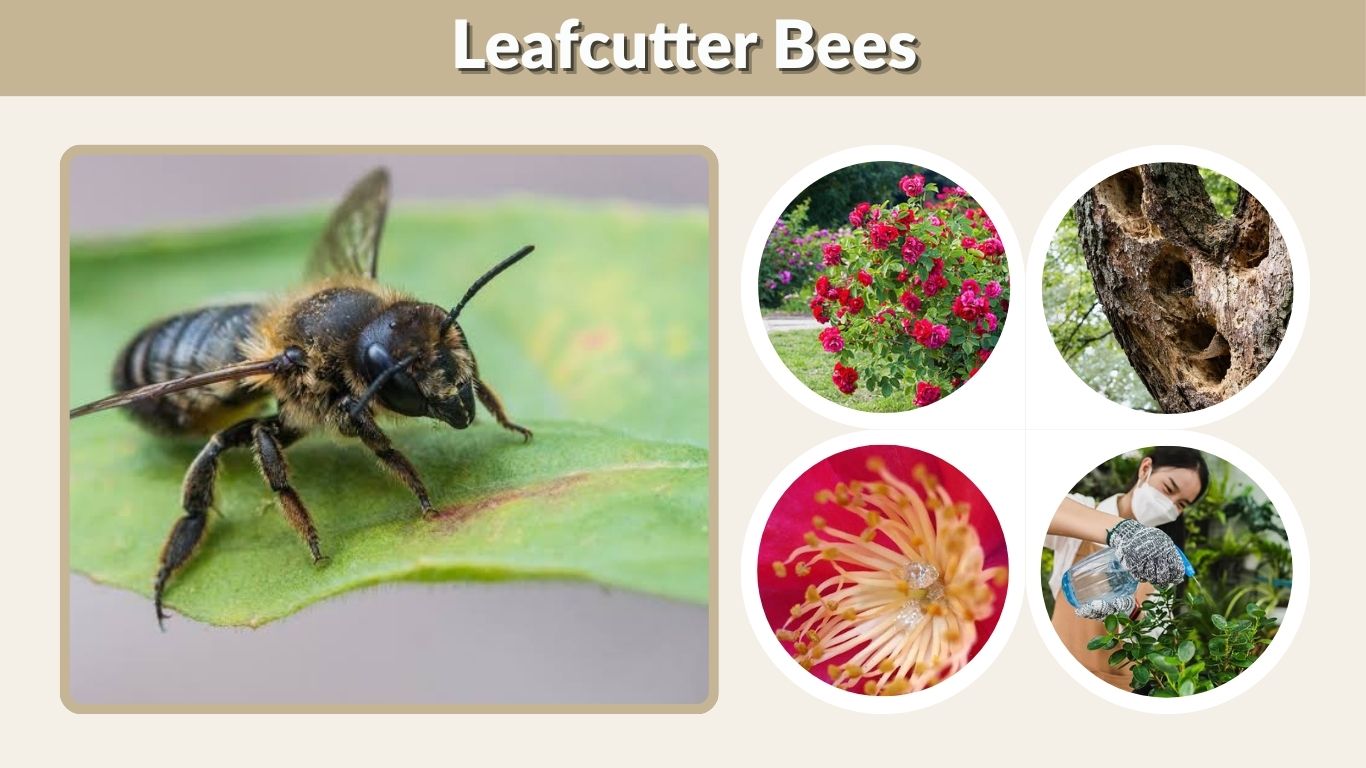
Leafcutter Bees: Identification, Nesting, Sting, and Benefits
August 24, 2026
Leafcutter bees are solitary bees best known for cutting neat, circular or oval pieces from leaves. Instead of eating these leaf sections, females carry them
Read more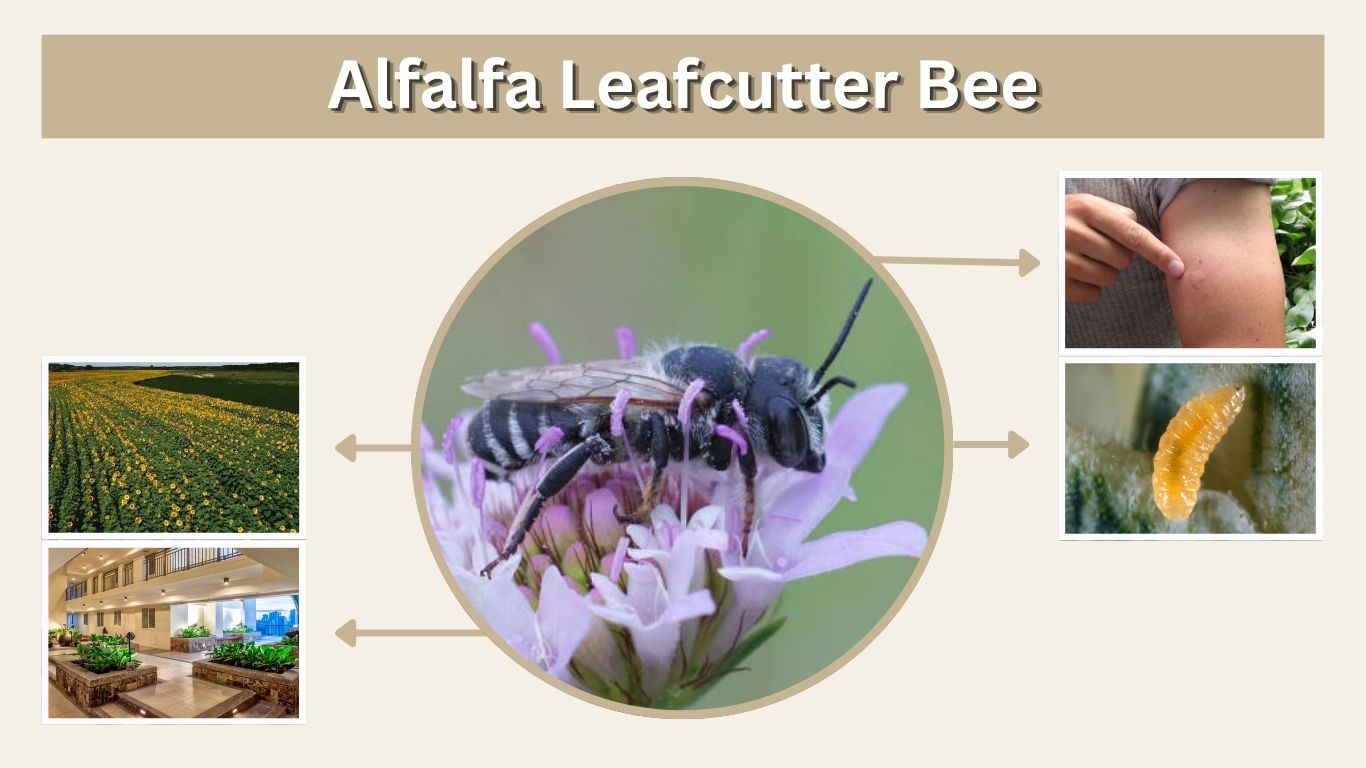
Alfalfa Leafcutter Bee: Life Cycle, Pollination, Nesting & Management
August 23, 2026
The alfalfa leafcutter bee is a small solitary bee widely used for pollinating alfalfa seed crops. Unlike honey bees, these bees do not live in
Read more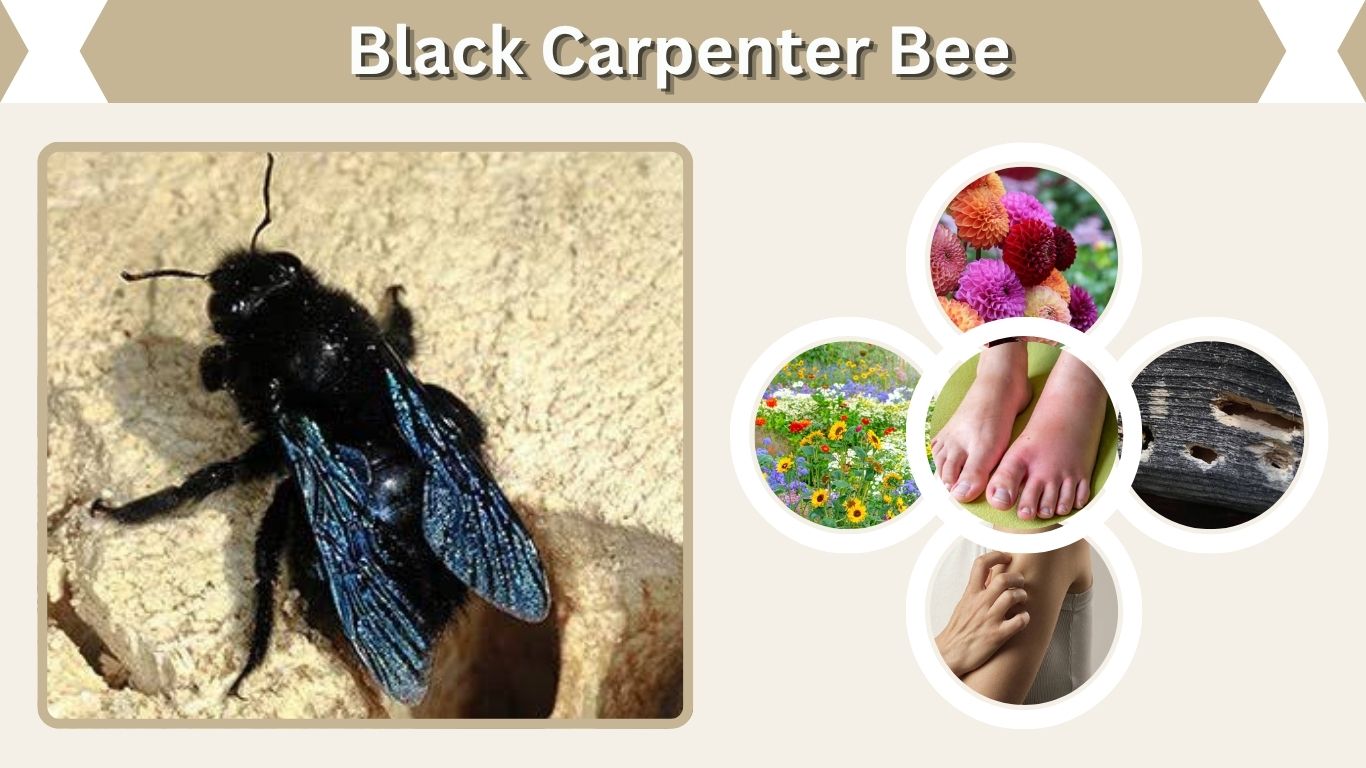
Black Carpenter Bee: Identification, Sting, Size, Nest & Facts
August 23, 2026
The black carpenter bee is a large, dark-colored bee best known for its shiny abdomen and habit of nesting inside wood. These bees are often
Read more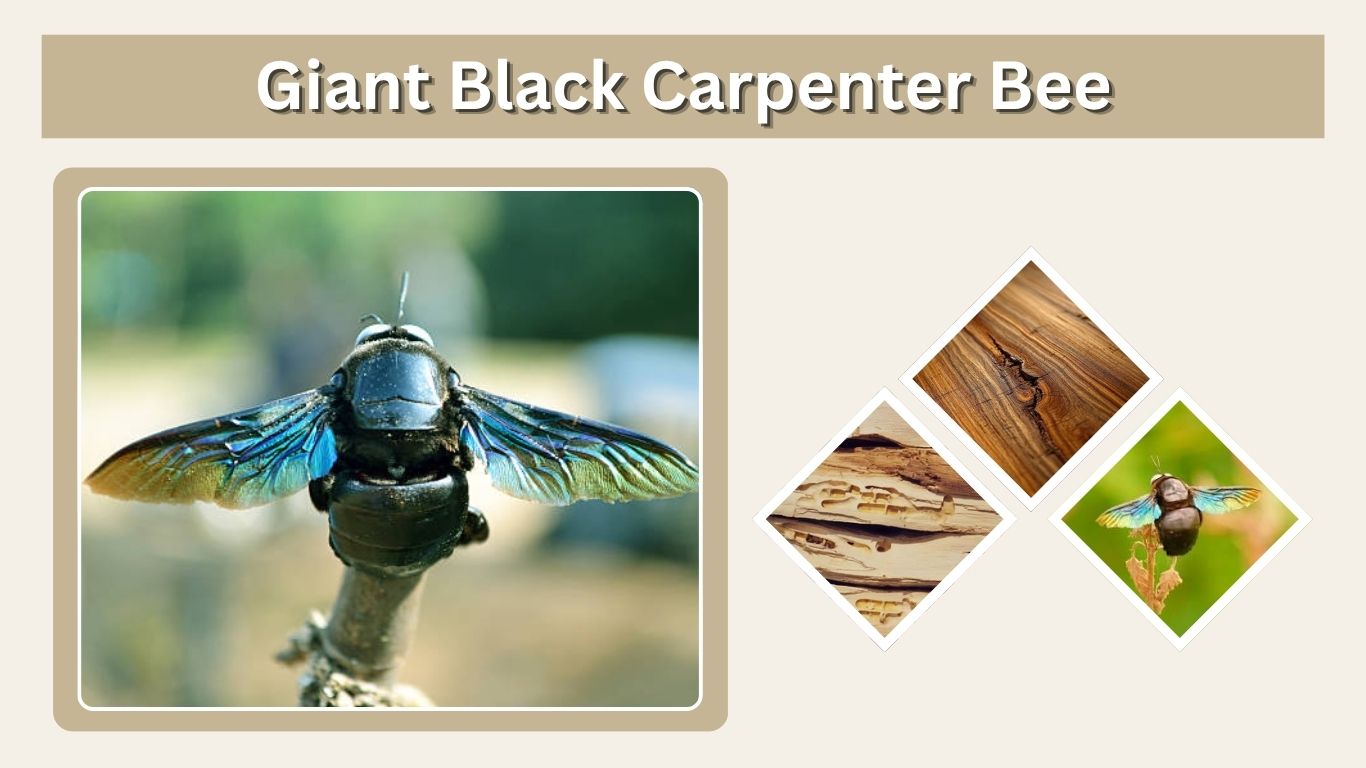
Giant Black Carpenter Bee: Size, Sting, Facts & ID
August 22, 2026
The giant black carpenter bee is an impressive, heavy-bodied bee usually belonging to the genus Xylocopa. These bees are recognized by their glossy black bodies,
Read more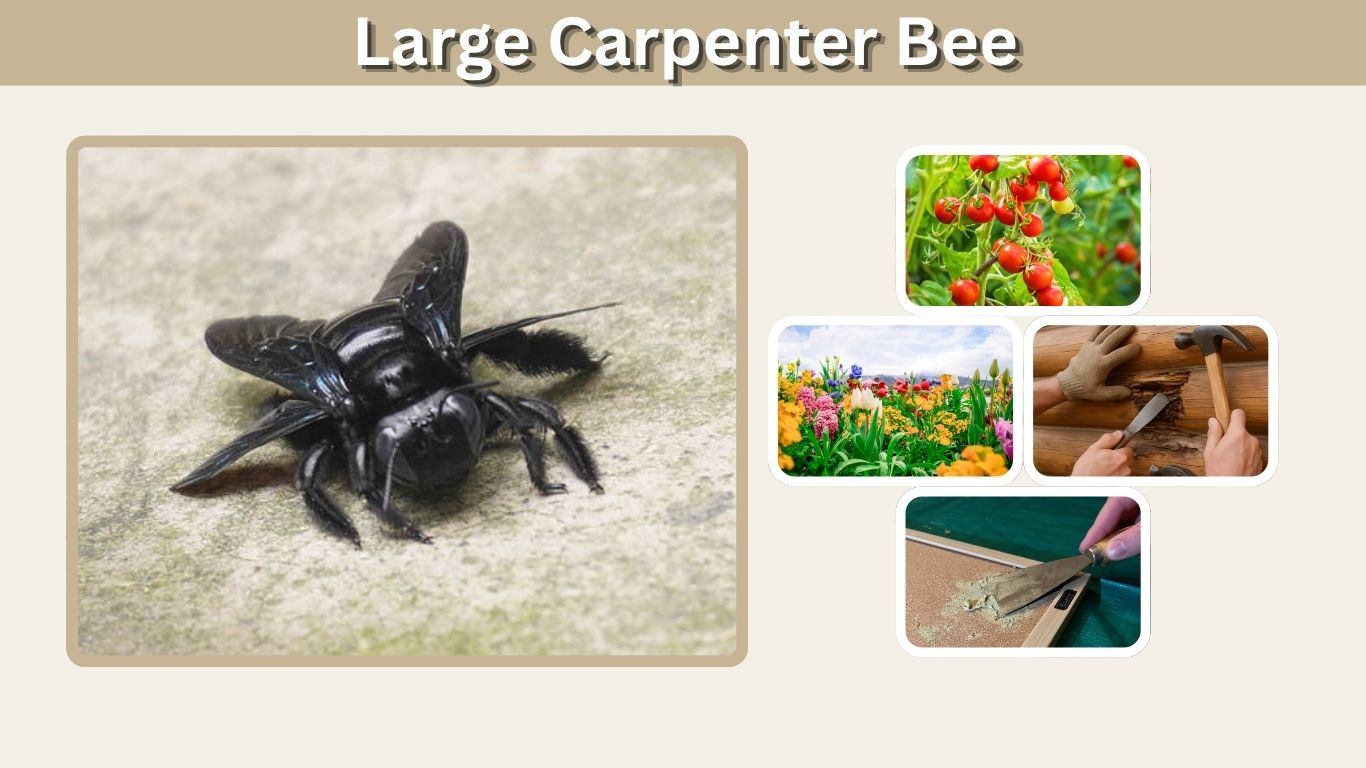
Large Carpenter Bee: Size, Sting, Nest, Facts & Control
August 22, 2026
The large carpenter bee is a robust, heavy-bodied bee best known for its shiny abdomen and habit of tunneling into wood to build nests. Most
Read more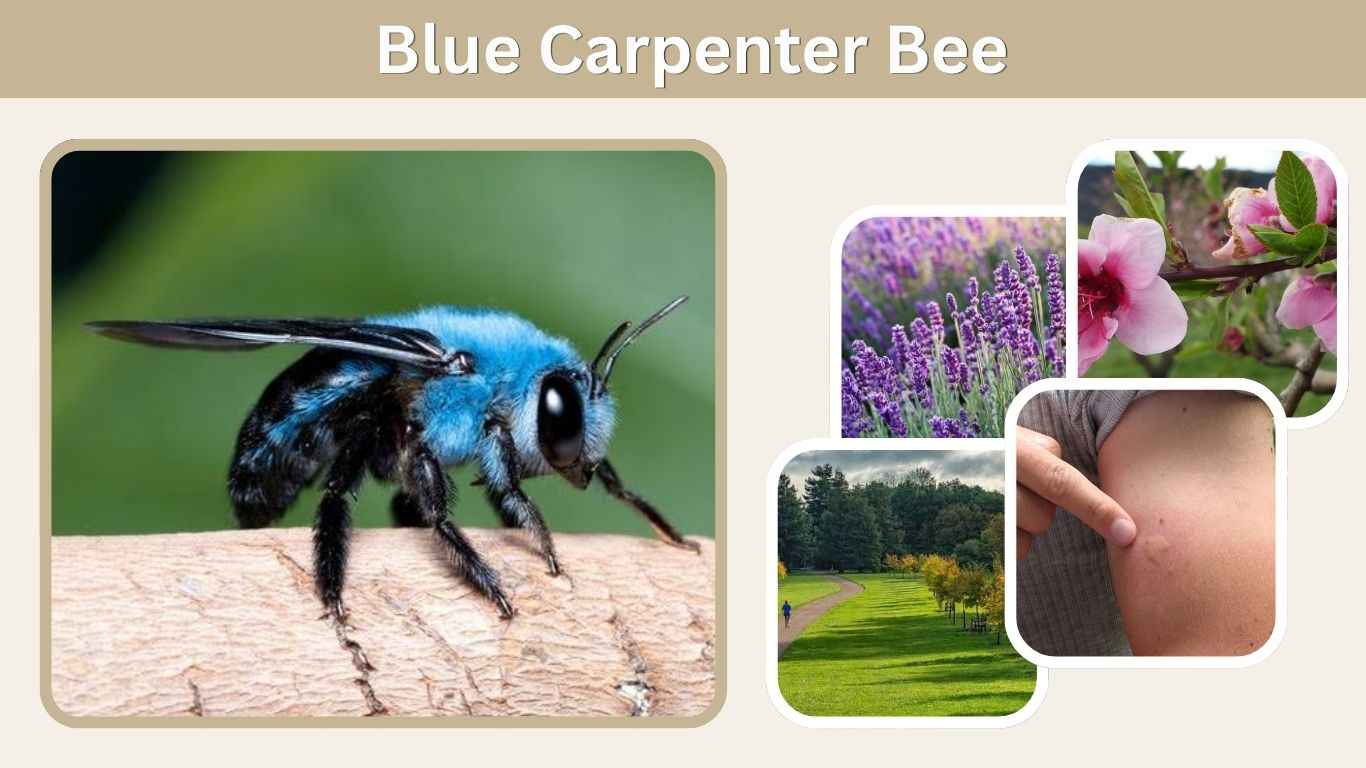
Blue Carpenter Bee: Identification, Sting, Size & Facts
August 20, 2026
The blue carpenter bee (Xylocopa caerulea) is a large, eye-catching bee known especially for the brilliant blue hairs covering females. Native mainly to South and
Read more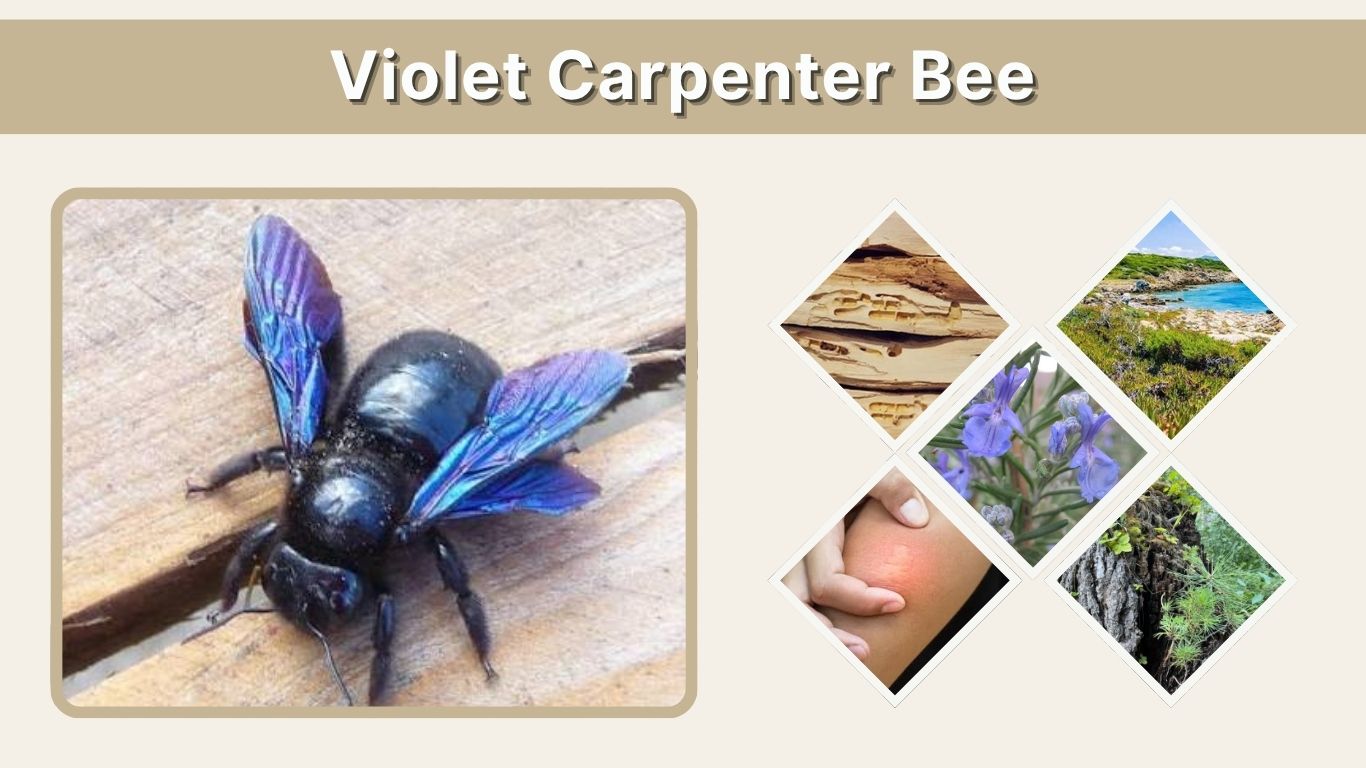
Violet Carpenter Bee: Sting, Size, Nest, Habitat & Facts
August 20, 2026
The violet carpenter bee (Xylocopa violacea) is one of Europe’s largest and most striking bees. Its glossy black body, powerful build, and violet-blue wings can
Read more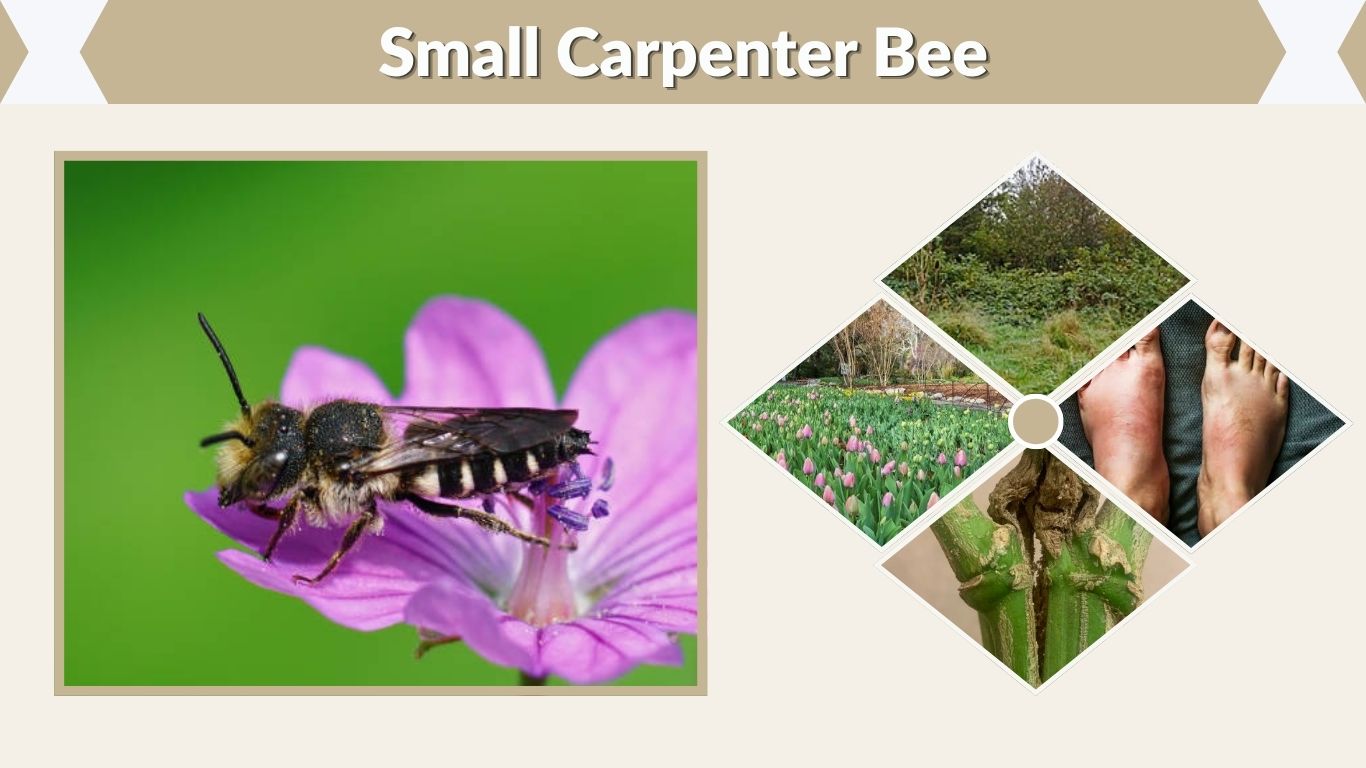
Small Carpenter Bee: Identification, Sting, Nest & Facts
August 19, 2026
Small carpenter bees are tiny native bees that are easy to overlook in gardens, meadows, and around flowering plants. Unlike the much larger carpenter bees
Read more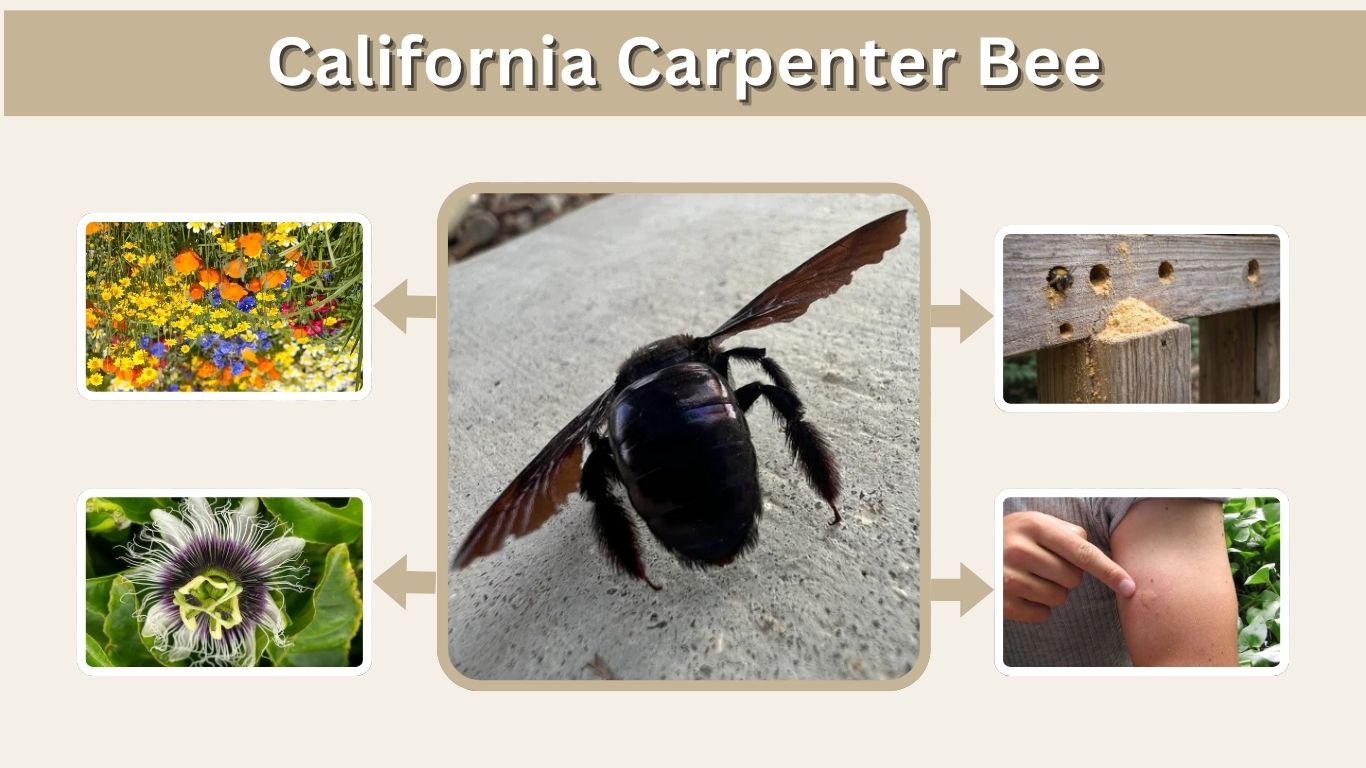
California Carpenter Bee: Identification, Sting & Facts
August 19, 2026
California carpenter bees are large, noticeable native bees often seen around gardens, flowering plants, fences, decks, and wooden structures. Several carpenter bee species occur throughout
Read more